



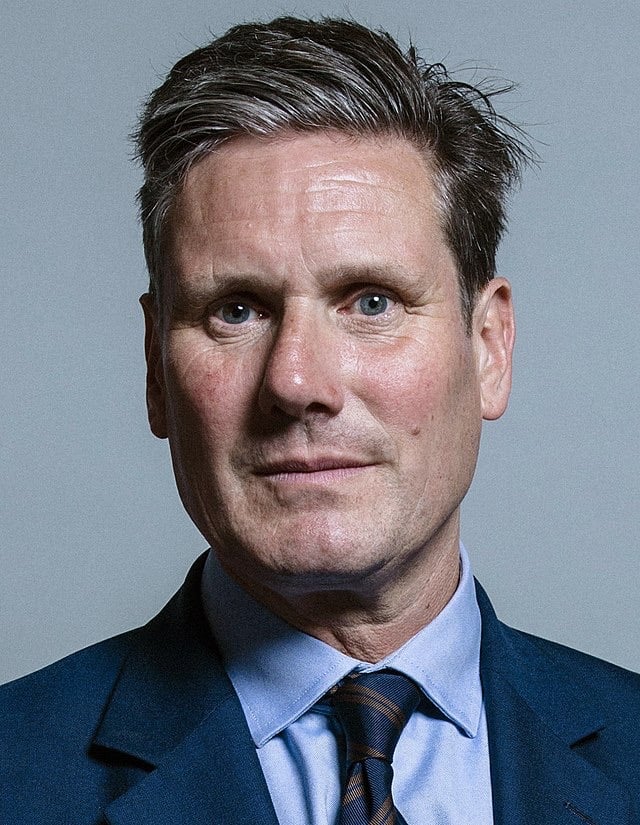
The appointment and subsequent sacking of Peter Mandelson as Britain’s ambassador to the United States has plunged Prime Minister Sir Keir Starmer into the most serious crisis of his premiership, raising questions about his judgment, vetting processes and whether he misled Parliament about what he knew and when.
Conservative leader Kemi Badenoch has accused Starmer and his ministers of “deceiving the entire nation” about their knowledge of Mandelson’s links to convicted sex offender Jeffrey Epstein. Liberal Democrat leader Ed Davey and numerous Labour backbenchers have pressed for a full Commons statement explaining the Prime Minister’s decision-making.
The scandal has prompted constitutional experts to examine whether Starmer knowingly gave a misleading impression to Parliament, which would raise serious questions under the Ministerial Code’s requirement for honesty. Some opposition figures have explicitly argued Starmer should resign if he is shown to have misled Parliament or the public, whilst senior Conservatives have stated his position would become untenable if his account of the timeline proves false.
The Scandal: What Happened
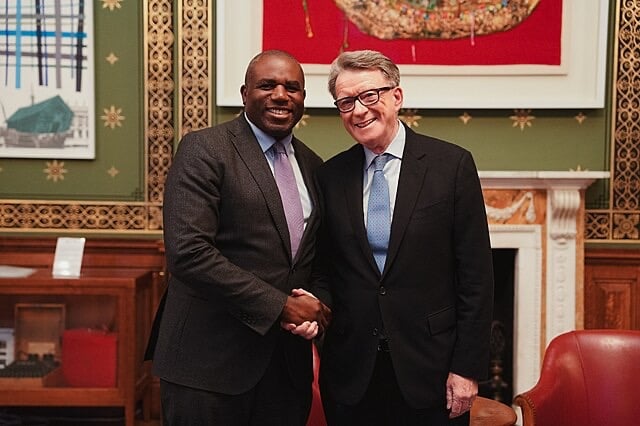
Starmer appointed Labour peer Lord Mandelson, a former cabinet minister, as UK ambassador to the US in 2024. The prestigious and highly sensitive posting came despite Mandelson’s friendship with Epstein being publicly known for years, with photographs of them together having circulated and US congressional material showing Mandelson calling Epstein “my best pal” in a handwritten note.
During vetting for the ambassadorship, Mandelson was specifically asked by officials about his relationship with Epstein and described it as a historic friendship. However, Number 10 later stated the “depth and extent” turned out to be “materially different” from what they had been told.
The crisis erupted in September 2025 when media outlets obtained emails from 2008 between Mandelson and Epstein from a long-deleted account that had not been accessed during vetting. In one email, written whilst Epstein was facing an 18-month sentence for procuring a child for prostitution and soliciting a prostitute, Mandelson wrote: “I think the world of you and I feel hopeless and furious about what has happened.”
The correspondence showed Mandelson urging Epstein to “fight for early release” and stating “everything can be turned into an opportunity.” Other material suggested he told Epstein his first conviction was “wrongful” and should be challenged, implying he accepted Epstein’s account rather than that of the victims.
The Timeline: What Starmer Knew and When
The sequence of events has become central to the political storm engulfing the Prime Minister. The Foreign Office received a media inquiry about the 2008 emails on a Tuesday and forwarded details to Number 10 the same day. The permanent secretary at the Foreign Office questioned Mandelson about the emails but did not receive a reply until the following afternoon.
Starmer is reported to have personally seen the emails on Wednesday night. At Prime Minister’s Questions that Wednesday, Starmer defended Mandelson, saying the ambassador had been “fully vetted” and implying Number 10 had confidence in him.
On Thursday, after the emails were published and after Starmer reviewed them with Foreign Secretary Yvette Cooper, Mandelson was sacked as ambassador “with immediate effect.” The gap between when Number 10 received the information and when Starmer defended Mandelson at PMQs has fuelled opposition claims he may have misled Parliament.
In Parliament, Foreign Office minister Stephen Doughty stated Mandelson had not disclosed “the extent and depth” of his friendship with Epstein and the emails showed his relationship was “materially different” from what was known at the time of appointment.

Pre-Appointment Warnings Ignored
Questions about Starmer’s judgment have intensified following revelations about what he was told before making the appointment. Starmer, via his chief of staff Morgan McSweeney, emailed Mandelson directly to ask about his relationship with Epstein, with three specific questions reportedly put to him.
Cabinet Office vetting also raised Epstein, and Mandelson was “transparent” about some contact according to one source, but Number 10 now says the true extent was not disclosed. Security services reportedly warned Number 10 about Mandelson before the appointment, prompting questions about why Starmer took the political risk.
Starmer later apologised to Epstein’s victims, stating he had believed “the lies” Mandelson told him and others and that “had I known then what I know now, he would not have been in government.” He admitted Mandelson had “repeatedly deceived” his team when asked about the relationship during and before his time as ambassador.
After pressure in the Commons, the government agreed to release vetting and appointment documents relating to Mandelson, subject to security checks and police concerns about prejudicing an investigation.
The Fallout for Mandelson
Mandelson resigned from the Labour Party and stepped down from the House of Lords amid the scandal. The government has begun the process of legislating to strip him of his peerage and to remove his Privy Council membership.
UK police are investigating Mandelson for potential misconduct in public office relating to his dealings with Epstein, though he is not accused of sexual offences and denies criminal wrongdoing.
Political Damage to Starmer
The scandal has inflicted serious damage on Starmer’s authority and reputation. Commentators and many Labour MPs view Mandelson as part of a pattern where Starmer initially backs controversial decisions strongly, then dramatically reverses course under pressure.
Examples frequently cited alongside Mandelson include Angela Rayner’s resignation as deputy prime minister over tax issues after prolonged media pressure, and rows over welfare reforms, winter fuel payments and grooming inquiry policy, where Number 10 appeared to lurch between hard lines and concessions.
Critics argue this pattern undermines Starmer’s reputation for competence, suggesting a reactive, risk-taking operation at Number 10 rather than cautious, institutional decision-making.
Many Labour MPs were already uneasy about Mandelson’s appointment, with some stating “he should have seen this coming a mile off.” Anger on Labour benches intensified after the Commons debate over releasing Mandelson files, where backbench pressure forced the government into a climbdown on how documents will be scrutinised.
The scandal has prompted renewed grumbling about Starmer’s inner circle, particularly chief of staff Morgan McSweeney, who is reported to have championed Mandelson’s appointment. Reports suggest growing discussion among Labour MPs about Starmer’s “judgment, reputation and authority” being “on the line,” though such talk remains largely cautious and off-the-record.
Constitutional Stakes: The Ministerial Code
UK constitutional experts have highlighted that if Starmer knowingly gave a misleading impression to Parliament about his knowledge of Mandelson’s Epstein links, it would raise questions under the Ministerial Code’s requirement for honesty.
The precedent is significant. Boris Johnson came under sustained pressure over whether he misled Parliament on “Partygate,” with such allegations leading to investigations and heavy political pressure to resign even without criminal charges. Under UK political norms, a prime minister found to have knowingly misled Parliament faces intense pressure to resign.
The Mandelson case has also prompted debate over how appointments to sensitive posts are vetted, including what the security services and Cabinet Office knew and how much latitude prime ministers have to override reputational concerns. Experts note that even if the emails were not technically available during vetting because the account was deleted, the widely known public association between Mandelson and Epstein made this a foreseeably risky appointment.
Scenario One: He Rides It Out
Starmer’s survival depends heavily on what evidence emerges about the timeline. If no proof surfaces that he personally saw the emails before Prime Minister’s Questions, and if inquiries show sloppy processes and bad judgment but not deliberate lying, Labour MPs may conclude that changing leader mid-term would be worse than backing a damaged Prime Minister.
Under this scenario, Starmer would be significantly weakened but would survive. His authority would be diminished and he would have less room for risky appointments or bold reshuffles. The Mandelson affair would become a lasting case study of his leadership style, characterized as centralized, high-risk and slow to admit error.
Scenario Two: Slow-Burn Leadership Crisis
A more prolonged crisis could develop if additional documents show Number 10 had stronger warnings from security services and officials about Mandelson’s Epstein ties than they admitted. If polls show a sharp slide in Starmer’s personal ratings even whilst Labour’s headline polling initially holds up, internal groupings within the party might use the scandal to argue for different leadership or style.
Such figures could include prominent Labour politicians positioning themselves through deputy leadership contests or party conference manoeuvres. Under this scenario, Starmer’s leadership would become a running story, forcing him to spend political capital on survival instead of policy. The situation would mirror Theresa May’s slow-burn leadership crises, where each policy fight doubled as a proxy confidence test.
Scenario Three: Direct Resignation Crisis
The most serious outcome would occur if a clear contradiction emerges between Starmer’s statements to Parliament and internal documents showing he personally knew more, earlier, about Mandelson’s Epstein emails. If a formal investigation or committee report concludes he misled Parliament, and if senior Labour figures at cabinet level publicly state he should consider his position or resign, the pressure would become overwhelming.
Under UK political norms, a prime minister found to have knowingly misled Parliament faces expectations to resign. Refusal could trigger frontbench resignations and a leadership contest. Senior Conservatives have already stated publicly that if Starmer’s account of the timeline proves false, his position would become untenable.
What to Watch Next
The release of vetting and appointment documents relating to Mandelson will be crucial, though these remain subject to security checks and police concerns about prejudicing the investigation. Any evidence showing what Starmer knew before he defended Mandelson at Prime Minister’s Questions will be particularly significant.
The police investigation into Mandelson for potential misconduct in public office may also yield information affecting the political timeline. Internal Labour reaction, particularly whether senior cabinet figures begin distancing themselves from Starmer’s account or his decision-making process, will signal whether backbench unease is spreading to the top of government.
Polling on Starmer’s personal ratings versus Labour’s overall numbers will indicate whether voters distinguish between the party and its leader. Any formal inquiry into whether the Prime Minister misled Parliament would represent a critical escalation.
The Mandelson scandal has already inflicted serious damage on Starmer’s premiership. Whether it proves fatal depends on evidence yet to emerge about what he knew, when he knew it, and whether his public statements to Parliament can withstand scrutiny. For now, resignation remains possible but not inevitable, contingent on future revelations and how his party chooses to react.
