


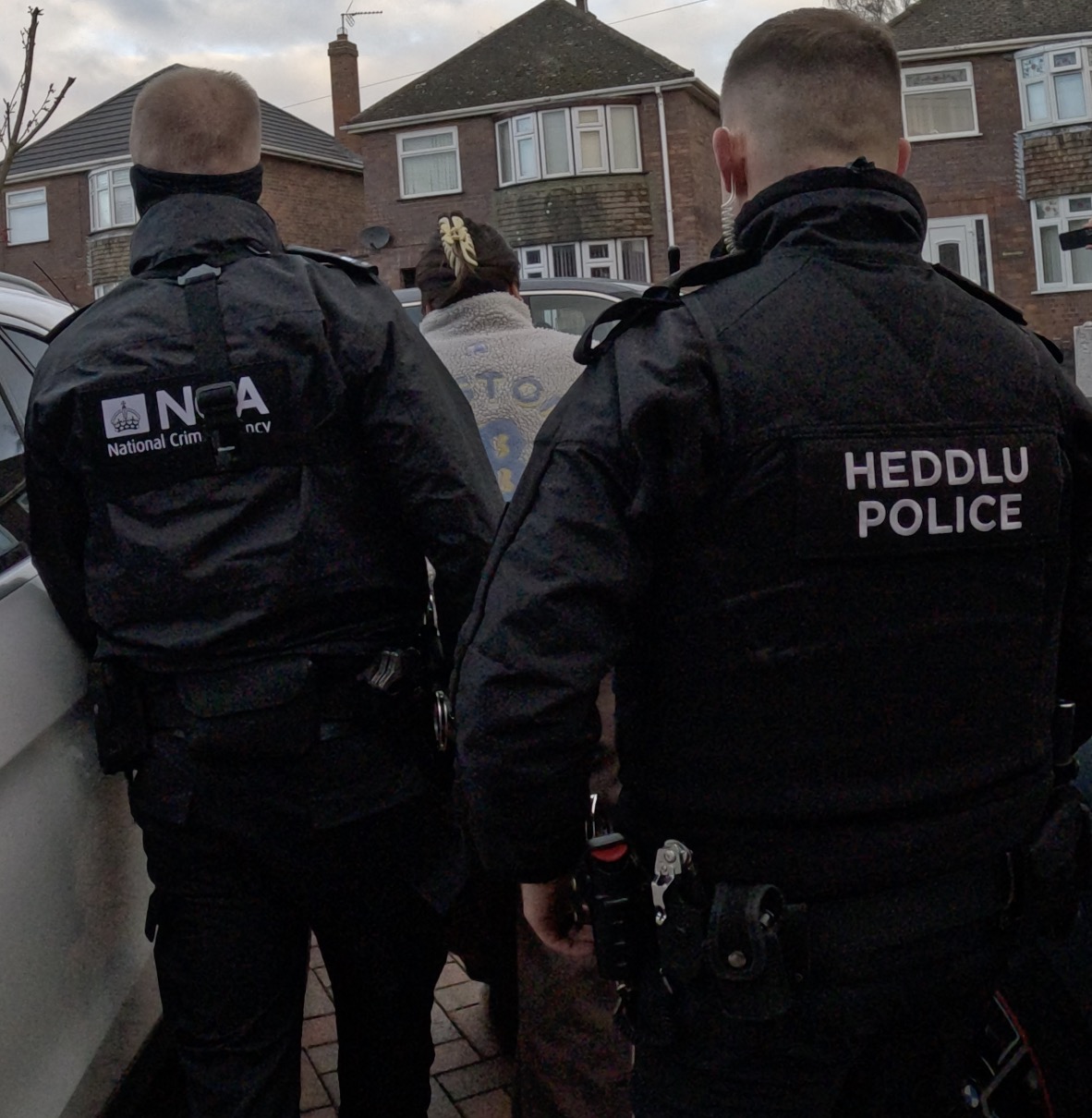
National Crime Agency officers and French authorities have dismantled a sophisticated Vietnamese organised crime network that smuggled an estimated 1,000 migrants into Britain, holding their passports as collateral and trapping victims in cycles of exploitation to repay transportation debts. The coordinated raids across the UK and France on Monday resulted in 19 arrests and exposed a system of modern slavery operating beneath the people smuggling trade.
Three individuals were detained during early-morning operations in Wrexham, Newcastle-Upon-Tyne, and Birmingham, whilst French police took 16 suspects into custody during simultaneous raids across Paris. The operation represents one of the most significant joint enforcement actions against people smuggling networks in recent months, with authorities seizing assets, freezing bank accounts, and discovering more than 40 irregular migrants housed in French properties.
“Vulnerable to Sexual and Labour Exploitation”
The criminal network’s business model relied on placing migrants in substantial debt, charging as much as £40,000 per crossing from France to Britain. Many arrivals were unable to pay the full cost upfront, leaving them indebted to the smugglers upon reaching UK soil. NCA officers confirmed that genuine passports belonging to the smuggled migrants were being held as “debt bondage” by members of the organisation, effectively trapping victims in exploitative arrangements.
“Many of the migrants arrived in Britain with significant debts which made them vulnerable to sexual and labour exploitation to repay the smugglers,” officials stated. This system transformed what victims believed would be a one-time payment for passage into open-ended servitude, with the withheld identity documents preventing escape or legitimate employment.
Why This Matters
The case illuminates the darker economics of people smuggling, where the initial crossing represents only the beginning of migrants’ financial obligations. Debt bondage has emerged as a central feature of modern trafficking networks, creating conditions that meet legal definitions of slavery whilst generating sustained revenue streams for criminal organisations beyond the transport itself.
The scale of the operation is substantial. Across approximately 200 trips between France and Britain, the network generated an estimated £1.6 million in direct profit. With charges reaching £40,000 per person and 1,000 migrants moved, the total value of the trafficking operation approaches £40 million, though much of this sum would have been owed rather than collected upfront.
Border Security Minister Alex Norris characterised the arrests as demonstrating “the strength of our cooperation with France in confronting the criminal networks behind the unacceptable Channel crossings which threaten our border security.” The joint operation reflects growing coordination between UK and European law enforcement as authorities attempt to disrupt smuggling routes before migrants reach British shores.
What Happened
NCA officers executed coordinated raids at addresses across the UK on Monday morning. In Wrexham, Wales, a 25-year-old woman suspected of laundering money for the smuggling network was taken into custody. A 25-year-old man arrested in Newcastle-Upon-Tyne is believed to have organised facilitation through lower-ranking members of the crime group. In Birmingham, officers detained a 26-year-old man suspected of overseeing accommodation for migrants destined for the UK.
The Birmingham suspect, wanted by French authorities, was remanded into custody pending extradition proceedings and was due to appear at Westminster Magistrates Court on Monday. French officials issued the warrant for his arrest as part of their parallel investigation into the network’s continental operations.
Simultaneously, French police stormed buildings across Paris, detaining 16 suspects and discovering more than 40 irregular migrants, including 11 housed at a single address. Authorities seized one apartment, nine vehicles, cash, identity and travel documents, and electronic devices. Two bank accounts linked to the operation were frozen.
The Monday arrests follow earlier enforcement action. Five men were arrested and charged in England earlier this year, all alleged to be key figures in the Vietnamese organised crime group behind the broader operation. Those cases remain ongoing.
The Smuggling Pipeline
The organised crime network operated a sophisticated pipeline moving migrants from Vietnam to the United Kingdom through multiple jurisdictions. According to NCA intelligence, the group facilitated travel from Vietnam to central and eastern Europe using commercial airlines, exploiting legitimate air travel to position migrants for onward smuggling.
From eastern European staging points, migrants were moved to France, where the network maintained infrastructure for housing arrivals before final crossings. The French raids revealed the extent of this accommodation network, with dozens of migrants found in properties presumably awaiting transport to Britain.
The final leg employed the two methods that have dominated Channel crossings in recent years: small boat operations and concealment in lorries. Both approaches carry substantial risks, with small boat journeys across one of the world’s busiest shipping lanes claiming numerous lives, whilst lorry smuggling has resulted in tragic suffocations when ventilation fails.
Cross-Border Cooperation
Alex Cruise, NCA Senior Investigating Officer, described the arrests as “a great example of partnership working with our colleagues in France to tackle the groups behind dangerous crossings to the UK.” The simultaneous nature of the raids in both countries suggests sustained intelligence sharing and coordinated planning between British and French authorities.
This cooperation represents a priority for the UK Government as it seeks to reduce irregular Channel crossings without rejoining EU law enforcement frameworks. The NCA confirmed that tackling people smuggling remains a top priority, with approximately 100 ongoing investigations targeting groups or individuals either directly organising journeys or facilitating such criminality.
Minister Norris stated the Government is “strengthening law enforcement powers so officers can intercept, detain and arrest people smugglers faster to restore order and control to our borders.” Whether enhanced powers will meaningfully reduce crossings depends partly on authorities’ ability to sustain the type of international coordination demonstrated in Monday’s operation.
What Happens Next
The investigation continues with evidence gathered during the raids. Electronic devices seized in both France and the UK will be forensically examined for communications, financial records, and operational details that could identify additional network members or affiliated organisations.
The 26-year-old detained in Birmingham faces extradition proceedings to France, where authorities appear to have developed substantial cases against multiple suspects. The extradition process typically takes several months, during which prosecutors must satisfy British courts that sufficient evidence exists and that the suspect’s rights will be protected.
The five individuals charged earlier this year await trial, proceedings that could provide public insight into how the network operated and the extent of its activities. Testimony from those cases may also generate leads for investigators pursuing remaining network members.
What This Means for the UK
The case highlights the persistent challenge of people smuggling despite increased enforcement resources and diplomatic engagement with France. The Government has made reducing irregular crossings a political priority, yet sophisticated criminal networks continue adapting their methods and exploiting demand from migrants seeking to reach Britain.
The debt bondage element carries particular significance for UK authorities. Migrants arriving with substantial debts to criminal organisations become vulnerable populations within Britain, potentially fuelling exploitation in sectors including agriculture, hospitality, construction, and the sex trade. Modern slavery legislation obliges authorities to identify and protect such victims, yet many remain hidden within informal economic sectors.
The NCA’s confirmation that approximately 100 investigations are ongoing suggests the Vietnamese network represents one of many organisations facilitating irregular migration. Despite Monday’s arrests, the underlying infrastructure and demand that sustain people smuggling remain largely intact.
The operation’s success depends on effective prosecution. Convictions and substantial sentences could deter others from entering the smuggling trade, whilst acquittals or lenient punishment might suggest the risks remain manageable. Public disclosure of evidence during trials may also illuminate the true scale of these networks and their integration with legitimate businesses.
Key Facts and Background
How many people did this network smuggle into the UK?
Authorities estimate the Vietnamese organised crime group smuggled approximately 1,000 migrants into Britain across 200 trips, using both small boats and lorry concealment methods.
How much did the network charge per crossing?
Migrants were charged as much as £40,000 per trip. With 1,000 people moved, the total operation value approaches £40 million, though the network’s direct profit was estimated at £1.6 million over 200 journeys.
What is debt bondage in this context?
Debt bondage refers to the practice of holding migrants’ genuine passports as collateral for unpaid smuggling fees, trapping them in exploitative arrangements where they must work to repay debts they often cannot realistically clear.
Why were suspects arrested in France as well as the UK?
The network operated across multiple countries. French authorities targeted the continental infrastructure supporting the operation, including accommodation for migrants awaiting crossings and suspected senior organisers based in Paris.
What happened to the migrants found during the French raids?
More than 40 irregular migrants discovered in French properties during the raids will likely enter immigration processing. Some may qualify for asylum or other protection, whilst others face potential removal proceedings.
Is this the largest people smuggling network currently operating?
The NCA has approximately 100 ongoing investigations into people smuggling operations, suggesting this Vietnamese network, whilst substantial, represents one of many active organisations facilitating irregular migration to the UK.
