

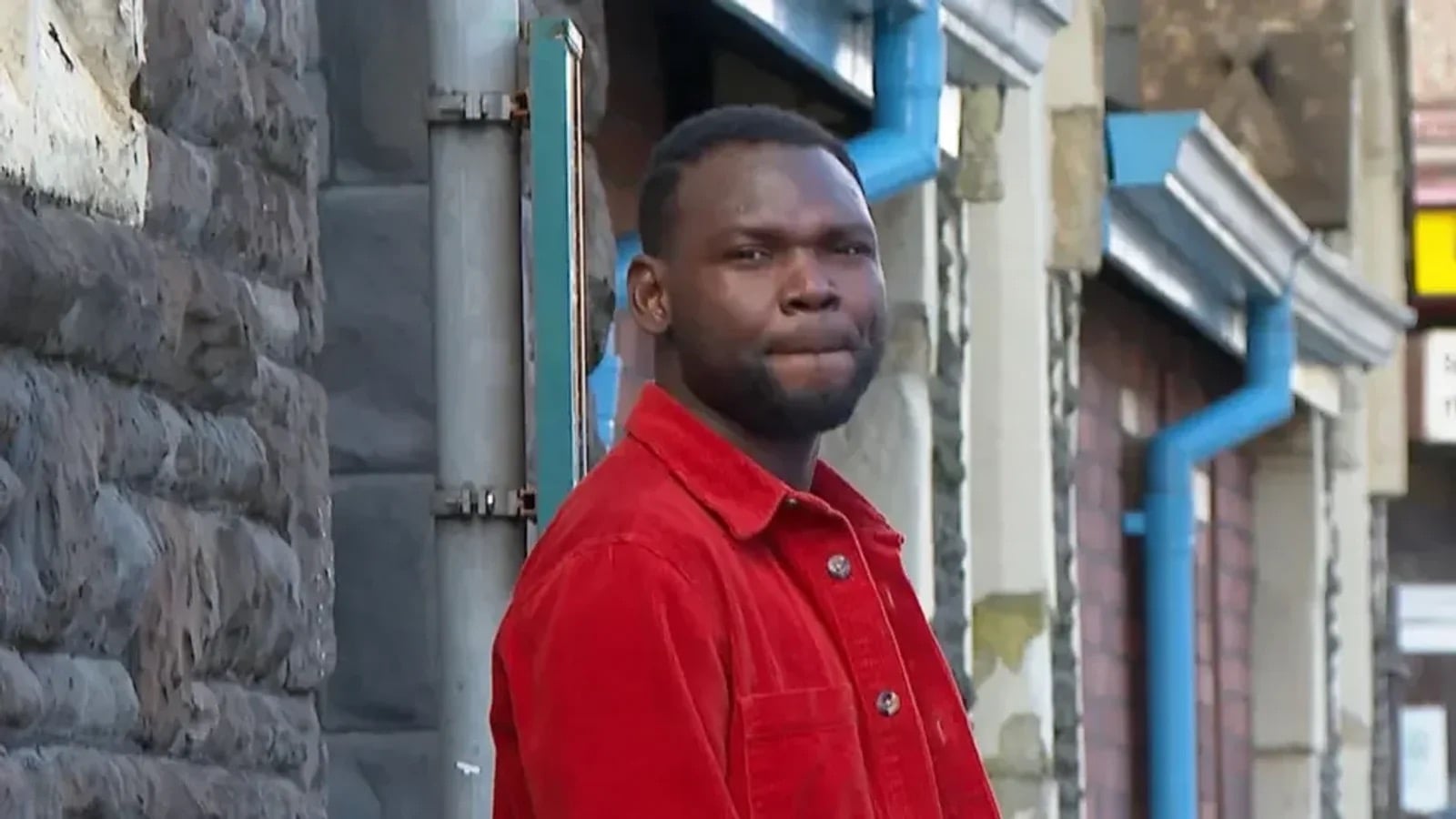
When Marius Kamna travelled to Glasgow in 2021 as part of Cameroon’s delegation to the UN climate summit, nothing about his professional appearance suggested he was planning never to return home. What his conference colleagues could not have known was that he would subsequently claim asylum in the United Kingdom on the grounds of his sexuality — nor that he had left behind a wife and young son in Cameroon without informing the authorities who would later grant him refugee status.
Kamna, now 35, insists the deception ran in the opposite direction to how it might appear. Speaking to the Daily Mail, he maintained that it was his marriage that was the lie, not his sexuality. He says he has identified as gay since his mid-teens, but entered into a formal union with a woman named Segning after his parents expelled him from the family home upon discovering his orientation. The marriage, he explained, was arranged specifically to restore his family’s approval. “I pretended I was changing,” he said. “An official was bribed, I signed some documents and I asked for forgiveness from my family.” The marriage produced a son, Emanuel, now seven years old.
The asylum panel that granted Kamna refugee status was never told about the marriage. He contends that living that double life became increasingly unsustainable, and that the Glasgow climate conference presented him with a rare window to escape and live openly — even if it meant leaving his child behind. He says he has not seen Emanuel in person since departing Cameroon, though he claims to call him regularly and send financial support to the boy’s mother.
Kamna now holds full refugee status and works as a heavy goods vehicle mechanic. He has recently relocated from Cardiff to Newport to be closer to his partner Jonathan, an asylum seeker from Sierra Leone who is studying for a diploma in heavy vehicle maintenance. The move came, Kamna says, after false rumours circulated within the local Cameroonian migrant community suggesting he had a wife and child living with him in Britain — claims he flatly denies. A woman named Aurelle, who visits from Birmingham with her son, is a friend who helps newly arrived Cameroonians settle in, he said.
His account was not without inconsistency. When journalists first approached him at his workplace near Cardiff, Kamna initially described himself as bisexual before quickly correcting himself. “No, that’s not true, I am gay. That is the way I’ve been since I was 15 or 16,” he said, attributing the slip to years of hiding his identity. “I had so many secrets, I was persecuted.”
Cameroon criminalises same-sex relationships, and LGBTQ+ individuals face significant legal penalties and social stigma throughout the country. Across the UK, some 1,377 asylum claims — approximately two per cent of the total — cite sexual orientation as a primary ground for remaining in the country, a figure that has prompted debate about whether the system is open to exploitation.
Kamna is aware of the scrutiny his case may attract. “When you come here you have to do everything right,” he said, “because you don’t want to go back.”
