


A custody dispute in Iceland could test the country’s legal framework for handling disagreements between parents and medical authorities over gender-related treatments for minors, according to Britannia Daily.
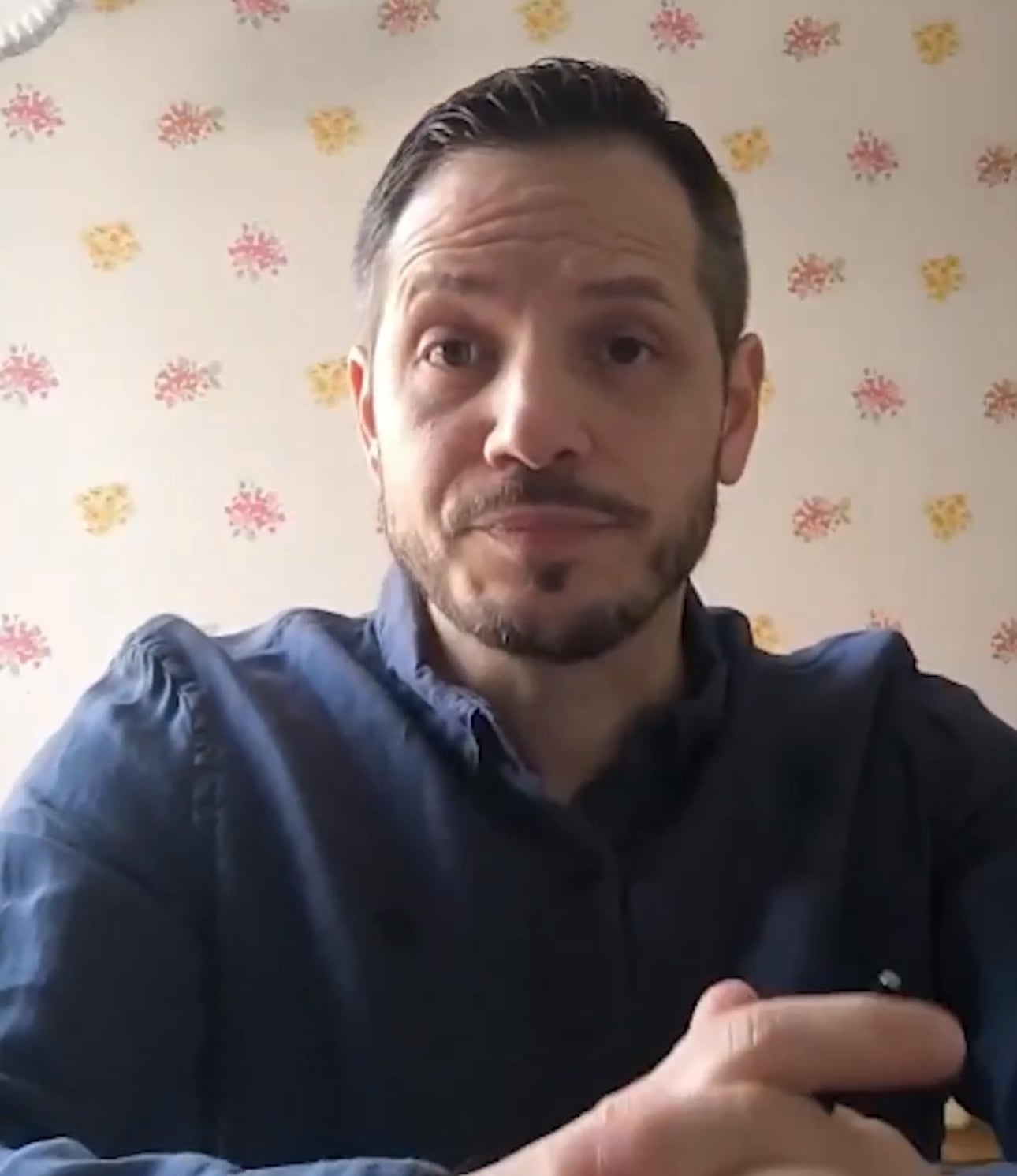
Alexander Rocha from Reykjavik stated in a viral social media video that a court removed his 10-year-old autistic son from his custody last December after he refused to allow the child to undergo gender transition and identify as a girl.
The case raises questions about parental rights versus medical authority when parents and healthcare professionals disagree about gender-related treatments for minors, with Rocha’s specific concerns about his son’s autism spectrum diagnosis adding another dimension to the dispute.
Iceland’s legal framework creates pathways where medical professionals can petition authorities when they believe parents are refusing necessary treatment. Under the Patients’ Rights Act No. 74/1997, children under 16 require parental consent for medical treatment, whilst children aged 12 and over must be involved in decisions affecting them.
However, if custodial parents refuse consent for what doctors classify as “necessary treatment,” medical professionals can refer the matter to child protection authorities for review. This legal mechanism allows disputes over treatment including gender-related care to escalate beyond parental control.
Gender-related healthcare for minors is organized under the Gender Autonomy Act No. 80/2019, which establishes specialist multidisciplinary teams and formal appeal processes. The act does not contain a specific clause authorizing or banning puberty blockers.
In practice, puberty blockers for minors in Iceland fall under general medical consent law and child welfare oversight rather than a standalone statute specific to gender treatments.
Rocha expressed concerns about medical interventions in his video statement: “As a father, I do not want to see happen to my child, who was already diagnosed on the autism spectrum. I believe that my child should not be exposed to life-altering procedures, such as puberty blockers or hormone therapy. These things will alter drastically his body, but also his mind.”
He stated he has not been able to see his son in months, adding: “My family is absolutely devastated, as you can imagine. Because of this, I’m not able to be the parent that I know I am.”
The viral video has not provided details about what medical professionals or child protection authorities stated in court proceedings leading to the custody decision. The specific medical recommendations and the court’s reasoning for removal have not been publicly disclosed.
Rocha confirmed he is fighting to appeal the December court decision and regain custody. “Today, I’m fighting to appeal this court decision and win back my child. No parent should go through this. Children deserve to live free from radical gender ideology, which pressure them to make life decisions they don’t even understand yet,” he stated.
The timeline for the appeal process and when a ruling might be issued remains unclear. Whether Rocha will be granted visitation rights during the appeal has not been specified.
The outcome of Rocha’s appeal will determine whether the December court decision is upheld or overturned. The case could have implications for how similar disputes between parents and medical authorities over gender-related treatments for minors are handled in Iceland going forward.
The legal test presented by this case centers on the balance between parental authority, medical professional judgment, and child welfare considerations when families disagree about gender-related healthcare for minors with additional medical considerations such as autism spectrum diagnoses.
