


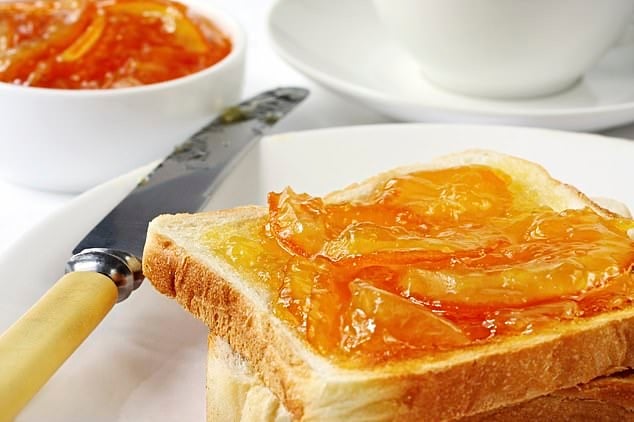
A quintessentially British breakfast staple may require a name change as the UK Government pursues closer alignment with Brussels through a comprehensive food standards agreement. Marmalade, the citrus preserve favoured by Paddington Bear and generations of British households, could soon be sold as “citrus marmalade” under European Union regulations set to be adopted as part of the Prime Minister’s post-Brexit reset with the bloc.
The change stems from an updated EU directive introduced in May 2024, which broadened the definition of marmalade to include spreads made from any fruit, not just citrus. The revision reflects common usage in several EU member states where “marmalade” and “jam” are used interchangeably. However, it creates an unexpected regulatory hurdle for UK manufacturers as Westminster negotiates a sanitary and phytosanitary (SPS) agreement designed to reduce trade barriers and lower supermarket prices.
“Nonsense Bureaucracy from Brussels”
Senior Conservative MP Priti Patel, whose Essex constituency is home to the Tiptree marmalade brand, described the development as emblematic of deeper concerns about regulatory alignment. “This marmalade madness is a classic example of the nonsense bureaucracy that emanates from Brussels,” she told the Mail. “Keir Starmer is trying to take us into the EU by the back door, signing us up to heaps of rules and regulations that will disrupt British businesses.”
The shadow foreign secretary urged the Government to abandon what she characterised as attempts to “reopen the battles of the Brexit years” and instead focus on domestic priorities.
Why This Matters
The marmalade labelling issue illustrates the practical complexities of regulatory alignment following Brexit. While the Government frames the proposed SPS agreement as a pragmatic measure to facilitate trade and reduce costs, it requires accepting rule changes developed without UK input during the post-departure period.
The original EU regulation reserving “marmalade” for citrus-only preserves reportedly emerged from British lobbying efforts in the 1970s, specifically to protect the commercial status of traditional marmalade made from bitter Seville oranges. That designation became synonymous with British breakfast culture over subsequent decades. The 2024 revision overturns this arrangement, requiring clearer labelling such as “citrus marmalade” or more specific variants like “orange marmalade” to prevent consumer confusion in markets where the term has broader meaning.

What Happened
The Department for Environment, Food and Rural Affairs (DEFRA) recently disclosed that UK manufacturers will need to adapt product labelling to comply with the updated EU directive if the SPS agreement proceeds. The marmalade regulation is one of 76 amended EU food rules that would apply domestically under the proposed deal.
Brussels updated its directive on fruit jams, jellies and marmalades last May, expanding the scope of what can legally be marketed as marmalade across member states. The change accommodates linguistic and culinary traditions in countries where the distinction between jam and marmalade does not traditionally exist. For British producers, however, this creates a divergence from established practice and consumer expectations.
The Broader Trade-Off
The SPS agreement represents a significant element of the Government’s strategy to improve post-Brexit trading relationships with the European Union. By accepting dynamic alignment in food safety and animal health standards, the UK aims to eliminate costly checks and delays that have affected exporters since the Trade and Cooperation Agreement took effect.
DEFRA officials emphasised that many UK manufacturers had already begun adjusting their labelling to maintain access to EU markets, regardless of whether a formal SPS deal is concluded. They argued the agreement would actually simplify cross-border trade for classic British products including Cumberland sausages and Scottish smoked salmon, which currently face regulatory scrutiny when entering the single market.
A Whitehall source defended the approach as a “sovereign choice in the national interest” to align with EU rules “in some areas where it makes sense to do so.” The source added that details remain under negotiation and stressed that “the UK will have the ability to shape EU decision-making on areas within the scope of the agreement.”
What Happens Next
The SPS agreement is still being negotiated between British and EU officials, with no confirmed timeline for conclusion. If finalised, manufacturers would face a transition period to update packaging and labelling across their product ranges. The scale of the administrative burden would depend on whether companies already maintain separate packaging for EU and UK markets.
Industry response is likely to vary. Larger producers with established European distribution may welcome standardised requirements, while smaller firms focused primarily on the domestic market could view the changes as unnecessary compliance costs.
What This Means for the UK
The marmalade controversy encapsulates a fundamental tension in post-Brexit Britain: the desire for frictionless trade with the EU versus the aspiration for regulatory autonomy. For consumers, any changes are unlikely to affect the product itself or its availability. For manufacturers, however, the issue raises questions about sovereignty and the extent to which alignment with Brussels serves British interests.
Cultural institutions appear determined to preserve traditional definitions. Dalemain Mansion in Cumbria, which has hosted the World Marmalade Awards since 2005, confirmed to the BBC that its competition will continue accepting only citrus-based entries. Beatrice McCosh, director of the awards, said the event aims to uphold “rock solid British standard marmalade, the type which has been eaten for centuries from Elizabeth I to James Bond.”
The episode also provides political ammunition for Brexit supporters concerned about regulatory creep. While the Government maintains that alignment is selective and beneficial, critics see a pattern of drifting back toward EU frameworks without the influence Britain once exercised as a member state.
Key Facts and Background
What is an SPS agreement?
Sanitary and phytosanitary agreements cover food safety, animal health, and plant health standards. The proposed UK-EU deal would align British rules with Brussels regulations in these areas to reduce trade barriers and inspection requirements.
Why did the EU change the marmalade definition?
In several EU countries, “marmalade” refers to fruit preserves generally, not specifically citrus. The May 2024 directive update reflects this linguistic reality and requires clearer labelling to prevent consumer confusion across the single market.
Will British marmalade taste different?
No. The change affects only labelling requirements, not recipes or ingredients. Traditional Seville orange marmalade will remain the same product.
How many EU rules would the UK adopt under the SPS deal?
DEFRA has identified 76 updated EU food regulations that would apply in the UK if the agreement is concluded, covering various aspects of food production, labelling, and safety standards.
Can the UK influence EU food rules after Brexit?
The Government claims the SPS agreement would include mechanisms for the UK to “shape EU decision-making” in relevant areas, though the precise nature of this influence remains subject to negotiation.
What other British products are affected by the proposed deal?
The agreement would impact labelling and standards for various traditional foods including Cumberland sausages and Scottish smoked salmon, potentially making it easier to sell these products in EU markets.
