


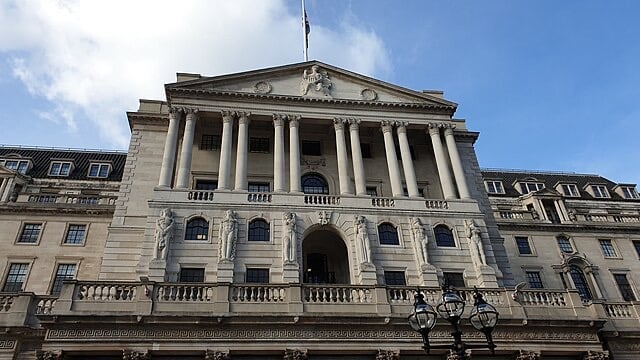
Borrowers hoping for relief on mortgage payments have been dealt a blow after the Bank of England held interest rates at 3.75% amid rising inflation.
The Monetary Policy Committee’s nine members voted to freeze the base rate at noon today, with economists having widely predicted the decision following December’s uptick in inflation figures. The rate remains at its lowest level in nearly three years but offers no immediate respite for households facing high borrowing costs.
Rising inflation proved the key factor preventing a further reduction, with figures climbing from 3.2% to 3.4% in December. The increase signalled to the Bank’s decision-makers that more time is needed to assess whether price pressures are sufficiently under control to warrant additional cuts.
The base rate serves as a benchmark for banks and lenders when setting the interest charged on mortgages, loans and credit cards, as well as the returns offered on savings accounts. When the Bank adjusts this rate, financial institutions typically follow suit by changing their own rates for borrowers and savers.
Before Christmas, the Monetary Policy Committee delivered a cut from 4% to 3.75%, bringing rates to their lowest point since early 2023. However, the subsequent inflation data dampened expectations for continued reductions in the near term.
Bank Governor Andrew Bailey stated following the December cut that the UK had “passed the recent peak in inflation and it has continued to fall.” Despite this assessment, he cautioned that future rate decisions would represent a “closer call” for policymakers balancing inflation control against supporting economic growth.
The freeze means mortgage holders on variable rates or those coming off fixed deals will continue facing elevated borrowing costs compared to the historically low rates seen in recent years. Homeowners remortgaging onto new fixed-rate deals have faced significantly higher monthly payments as lenders price in the sustained higher base rate.
Conversely, savers continue to benefit from relatively attractive returns on deposits and savings accounts compared to the near-zero rates that persisted for much of the past decade. The elevated base rate has enabled savers to earn meaningful interest on their cash holdings.
Bailey is expected to address today’s decision in a press conference scheduled for 12.30pm, where he will likely provide further insight into the Committee’s thinking and offer guidance on the potential trajectory of future rate movements.
The Bank faces a delicate balancing act in its mandate to control inflation whilst supporting economic growth. Keeping rates too high for too long risks dampening economic activity and increasing unemployment, whilst cutting too quickly could allow inflation to resurge and become entrenched.
Economists will scrutinize upcoming inflation data and employment figures to gauge when the Bank might feel confident enough to resume cutting rates. Most forecasters expect gradual reductions throughout 2026, though the pace and timing remain uncertain given the volatility in recent inflation readings.
The next Monetary Policy Committee meeting is scheduled for March, when members will reassess economic conditions and inflation trends before deciding whether to hold, cut or potentially raise the base rate.
