


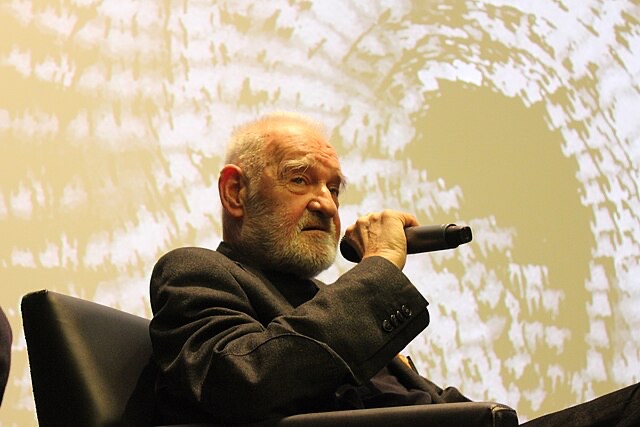
Béla Tarr, the Hungarian filmmaker whose uncompromising vision defined arthouse cinema through works characterised by extended takes, sparse dialogue and striking monochrome imagery, has died at the age of 70.
The Hungarian Filmmakers Association, of which Tarr served as honorary president, confirmed his death on Tuesday following what it described as a long and serious illness.
Born in Hungary in 1955, Tarr began making films as a teenager and studied at the Academy of Drama and Film in Budapest. His early work drew attention for its depictions of working-class Hungarian life, before his style evolved into the austere aesthetic for which he became internationally recognised.
Over a career spanning more than four decades, he wrote and directed a body of work that included Family Nest, Damnation and Wreckmeister Harmonies. His most celebrated film, Sátántangó, ran for seven and a quarter hours.
Tarr became a regular presence at major international festivals, with his films screening at Berlin and Cannes to critical acclaim and winning multiple awards.
Following the release of The Turin Horse in 2011, he announced his retirement from filmmaking, stating he had reached the end of his artistic journey. In the years that followed, he devoted himself to teaching and mentoring emerging filmmakers, receiving several honorary professorships at universities in China.
He is regarded as one of the most influential auteurs of modern cinema.
